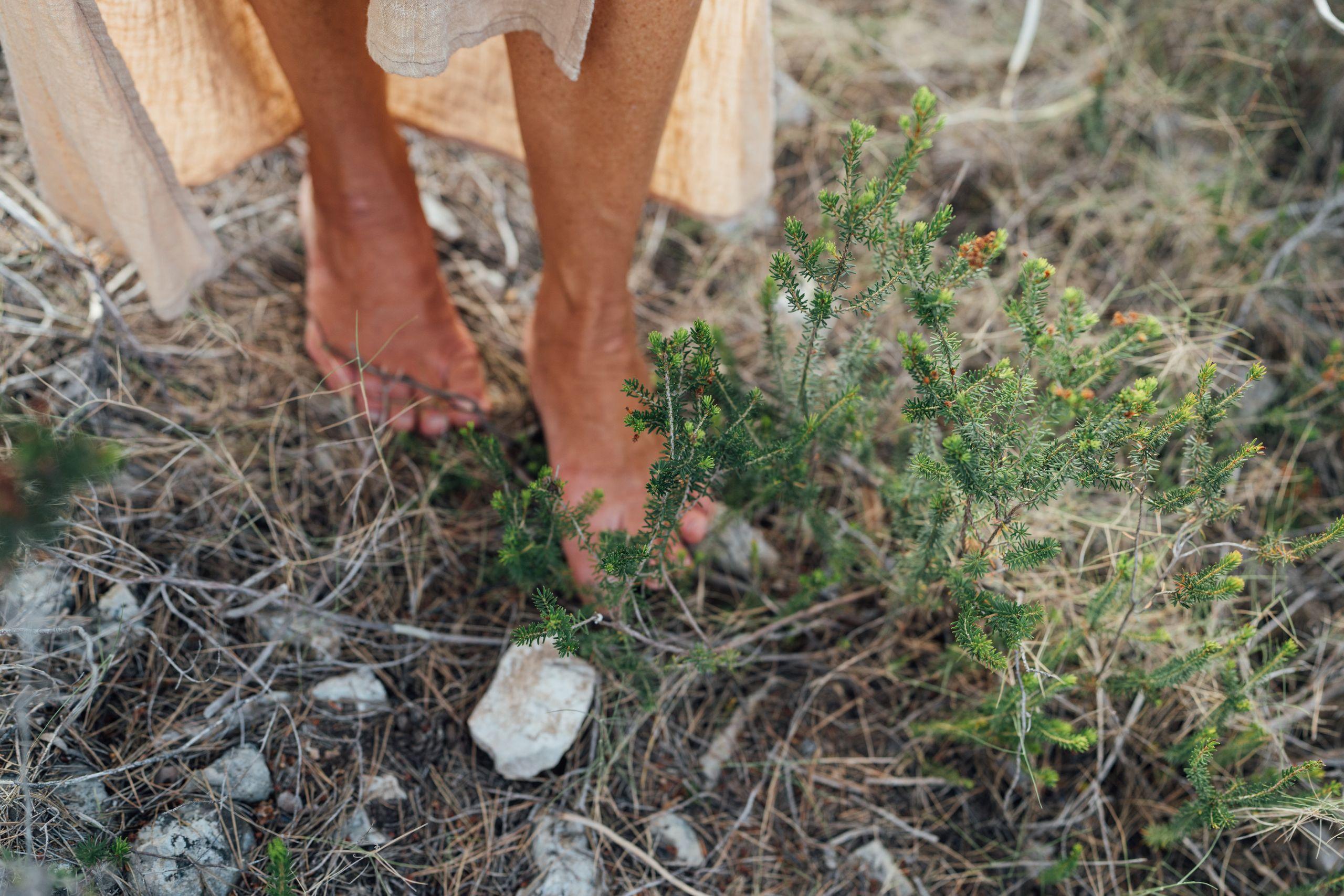
Change starts with a single step.
Whatever you’re feeling, there is nothing wrong with you. You’re simply in a cycle, ready to change.
Schedule a no-cost discovery call to learn if I’m the right person to accompany you in making the change you want to make.
- Practice
- Palma de Mallorca
- Phone and WhatsApp
- +34 661 472 275WhatsApp

I created this space because to me healing isn’t clinical, it’s utterly human and relational.
In person
A private practice for individuals and couples, offering Compassionate Inquiry®, Biodynamic Craniosacral therapy, Couples therapy and Mentorship in Palma de Mallorca.
Online
Compassionate Inquiry®, Couples therapy, and Mentorship available worldwide through secure and confidential Zoom or Teams sessions.
Retreats & workshops
Experiential workshops and retreats that combine somatic practices, self-inquiry, and connection to support meaningful personal growth.
Questions
If reaching out feels like a big step, I hope these answers can give you some guidance and help you feel more at ease.
What is integrative somatic therapy?
Integrative somatic therapy recognises that our experiences cannot be understood through one lens alone. Our bodies, emotions, thoughts, relationships and sense of meaning are deeply interconnected.
Rather than focusing only on thoughts and behaviours, this approach brings together the mind, body, emotions, and nervous system. It explores how life experiences, stress, and emotions are also held in the body. By gently developing awareness of physical sensations, emotions, and beliefs, we can uncover the roots of recurring patterns, process what has been held within, and support meaningful, lasting change.
More about my approach on the About page.
How is this different from traditional talk therapy?
Traditional talk therapy focuses on change through conversations and cognitive understanding. Integrative somatic therapy includes cognition while also paying attention to the somatic experience, to what is happening in the body and nervous system in the present moment.
We can understand a pattern intellectually yet still find ourselves repeating it. By bringing awareness to physical sensations, emotions, and nervous system responses as they arise, experiences that have remained unresolved can begin to move through our system, supporting deeper healing and lasting change.
You can read more about how it works here.
Will I have to re-live painful experiences?
No. We gently meet what’s been avoided or hidden, not to re-live it, but to complete it and release it. Together, we will move at a pace that feels right for you, building safety and resources along the way. While emotions and memories may surface, the focus is on resourcing you to stay connected to yourself in the present, so that these experiences can be processed and integrated rather than becoming overwhelming.
I’m not sure what’s wrong. Is that a reason to get in touch?
Absolutely. Many people reach out without knowing what’s going on. They may simply feel stuck, lost, disconnected, overwhelmed, or aware that something in their life isn’t working as it once did. Sometimes a sense that something feels off, missing, or unresolved is enough. I will help you make sense of your experience and reconnect with what matters most to you.
Do I need to have experienced trauma?
No. You do not need to identify as having experienced trauma to benefit from this approach. People seek support for many reasons, including stress and burnout, anxiety, loss and grief, relationship challenges, low self-esteem, life transitions, feeling stuck, or simply wanting a deeper understanding of themselves.
I recognise that difficult experiences exist on a spectrum. Many of our ways of relating, coping and understanding ourselves develop through ordinary life experiences, childhood relationships and the environments in which we grew up.
Whether you are working through a significant life event or navigating the everyday stresses of life, paying attention to the body and nervous system will help you develop greater awareness, resilience, and wellbeing.
How do I know which approach is right for me?
You don’t need to know beforehand. Based on what is going on for you we will explore what feels most appropriate for you during our initial discovery call. Sometimes a combination of approaches is helpful.
How many sessions will I need?
There is no fixed number of sessions. This depends on your circumstances, what brings you to the work and what you would like to explore. Some people come for a specific period or life transition, while others choose to engage in long-term personal exploration. Together we continuously reflect on how the work is unfolding and what feels appropriate.
Can I have sessions online?
Yes. Compassionate Inquiry®, couples therapy and mentorship are available worldwide on Zoom or Teams. Craniosacral Biodynamics is hands-on, so it is offered in person in Palma only.
How can Compassionate Inquiry® help with trauma?
Traumatic experiences can influence how we relate to ourselves, other people and the world around us. Their effects may continue long after the original experiences have passed.
Compassionate Inquiry® offers a way to explore these experiences and the adaptations that developed around them. By bringing awareness to the connection between emotions, bodily sensations, beliefs and behaviour, we can begin to understand patterns that may once have been necessary for survival but no longer serve us.
The work takes place at a pace that respects your individual experience and capacity. More on the Compassionate Inquiry® page.
What happens in a biodynamic craniosacral session?
You remain fully clothed and resting. With attuned presence and still touch I listen to your body’s rhythms and cues, to support softening, settling and realigning. You may experience subtle bodily sensations, emotions, changes in awareness or simply a sense of stillness and deep relaxation. More on the Craniosacral Biodynamics page.
Who is couples therapy for?
For couples who want to grow together with honesty, care and renewed commitment. Whether you are navigating tension, rebuilding trust, moving through a transition such as parenting or separation, or seeking deeper intimacy, sessions give you both space to be heard. More on the Couples and Relationships page.
Do you offer mentorship for practitioners?
Yes. Mentorship is a space for reflective exploration and continued development for those practising and learning Compassionate Inquiry®, whether you are participating in the CI professional training or are a certified practitioner. Sessions are in person in Palma or online. More on the Mentorship page.
What training do you have?
I am a certified Compassionate Inquiry® practitioner (the approach developed by Dr. Gabor Maté) and a Biodynamic Craniosacral therapist, with training in Internal Family Systems, Terry Real’s relational work, and Thomas Hübl’s Collective Trauma Healing. The full list is on the About page.